
TERMINAL EDIT — ESSAY NO. 004
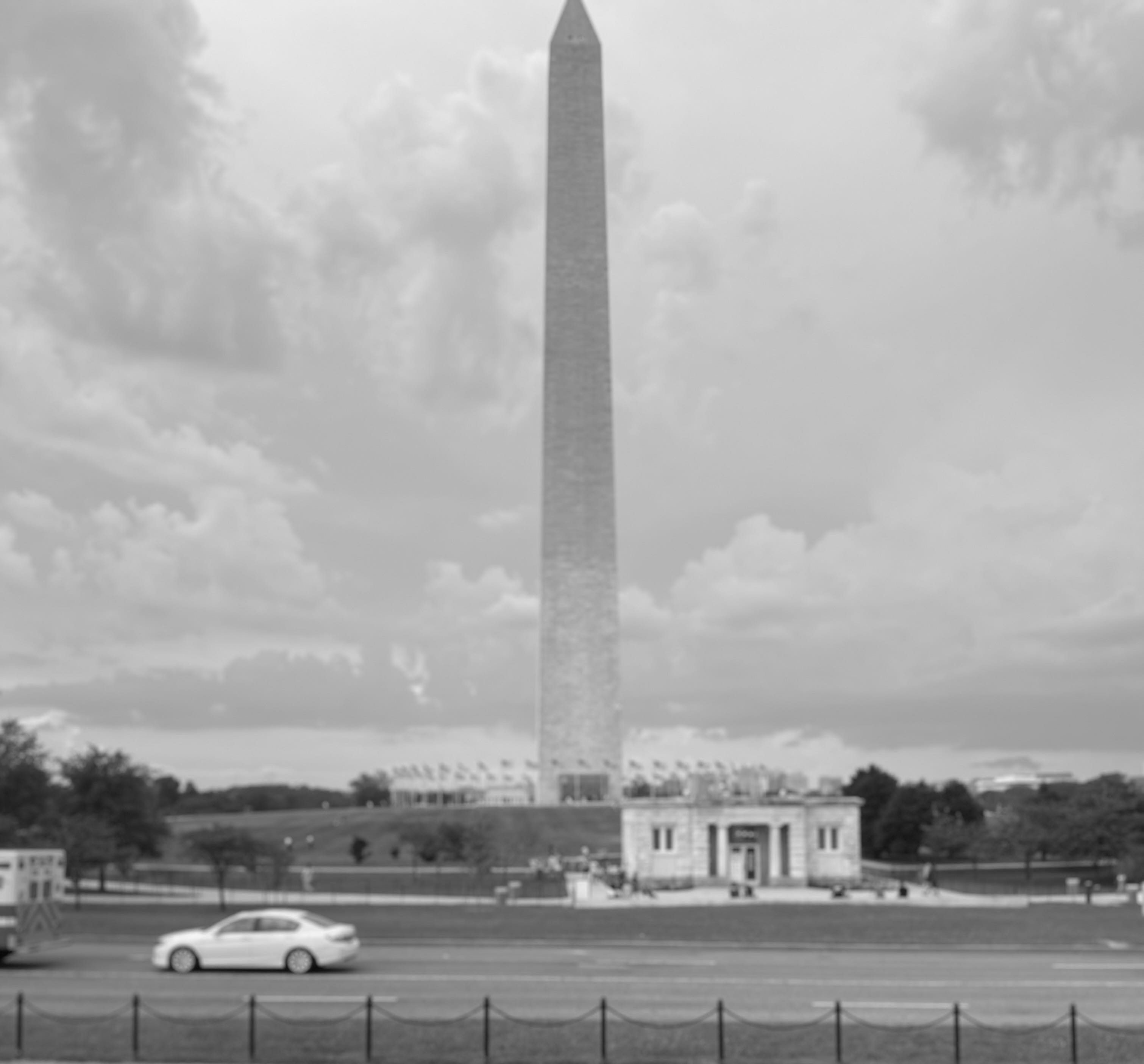
Washington DC doesn’t wait for you.
The first question this city asks is what do you do. Not where are you from. Not who do you know. What do you do — because in DC, what you do is who you are, and the room decides what to do with you from there. You feel it the moment you land at Reagan. The taxi line has a different posture than other cities. The hotel lobbies are quieter in a specific way. People here have learned to listen more than they speak because information is the only currency that doesn’t depreciate.
The professional culture is merit-based with a severity that feels personal until you understand it isn’t. They’re not judging you. They’re operating at a standard the city set before you arrived and will maintain long after you leave. This city runs the country. The people on the Metro at 7 AM, the ones in the good suits who don’t look at their phones, are making decisions that move things the rest of America doesn’t see move.
DC doesn’t babysit. It doesn’t explain itself. It doesn’t soften the credential check or apologize for the culture or make room for people who aren’t ready. New York is the only American city with less patience — and New York at least lets you fake it while you figure it out. DC doesn’t extend that courtesy.
This city is for the adults in the room.
You can arrive without the degree. Without the clearance or the title or the right acronym after your name. The city won’t adjust for that. It will simply wait to see what you do about it. And while it waits, it will keep moving — because DC doesn’t actually wait for anyone.
That’s the first thing to understand. Everything else follows from it.
The Metro is one of the better subway systems in the country. Clean, reasonably safe, efficient — it expanded into Virginia and Maryland without losing its dignity. What it didn’t do is reach National Harbor. A waterfront development with a clear view of everything and no rail connection to any of it. For where the Metro doesn’t go, Uber fares are reasonable. The city teaches you to adjust.
Rock Creek Park sits in the middle of Northwest DC — 1,754 acres of forest running through the most expensive residential geography in the country. Embassy Row on one side. Cleveland Park on the other. Beach Drive cuts through it and closes to cars on weekends. The trails pull you away from the sound of the city fast. The National Zoo is inside the park — Smithsonian-run, free admission, pandas and elephants two miles from the White House. There’s a local ginger ale named after it. Rock Creek. Been around since 1903. You only know that if you actually live here.
The Smithsonians are free. All of them. Fourteen museums on the Mall. The Hirshhorn is the one worth knowing — contemporary art on the south side of the Mall, brutalist and serious. Inside there’s a Dolcezza. Black sesame latte. You drink it slowly in a building full of work that demands something from you.
That’s the DC the postcards skip.
The budget layer of this city is as real as the expensive one.
Jimmy T’s for breakfast. Down home cooking. Cheapest plate in the city. A room that has no interest in what you do for a living. The Chinese carry-outs for wings with mumbo sauce — sweet, tangy, the sauce DC invented and kept for itself. Stan’s at 1029 Vermont Avenue NW, basement level — baked wings, four-ounce pours, drinks that don’t water themselves down. Stan’s and the carry-outs are running the same argument: best wings in the city with mumbo sauce. Nobody has settled it. Nobody will. That’s the right kind of argument for a city that debates everything.
Copycat Co at 2 AM when the night ran longer than planned. Jumbo Slice when the Metro is the next move and you need something in your hand first.
Know both layers. DC rewards the person who does.
The Hamilton at 600 14th Street NW. Full dining room, sushi bar, raw bar. Wings with mumbo sauce paired with a spicy tuna roll — a combination that only makes sense here and makes complete sense here. The cream of crab soup is arguably the best in the city. That’s not a casual claim in a city with Chesapeake Bay running through its identity.
A block east, Old Ebbitt Grill at 675 15th Street NW. Washington’s oldest saloon. Founded 1856. Steps from the White House, directly across from the Treasury building. The oyster program here is the standard everything else gets measured against. The room is mahogany and Victorian. Presidents have drunk here. Lobbyists have closed deals here. The tourists sit next to the power brokers and nobody announces which is which. DC has always worked that way.
Lauriol Plaza on 18th Street. Three floors. Best Mexican food in the city — the kind of claim that starts arguments in a city full of strong opinions and holds up anyway. The rooftop fills up fast. Go early or wait. Either way, go.
The Waldorf Astoria sits inside the former Old Post Office building at 1100 Pennsylvania Avenue NW. Romanesque Revival. Opened 1899. Served as the city’s main post office until 1914. Everything this city has put inside that address since has understood the weight of it.
The restaurant inside has evolved — The Bazaar by José Andrés became Bazaar Meat earlier this year, same chef, same address, the concept sharpened around premium cuts and fire. What doesn’t change is the energy of that lobby on a spring afternoon. Afternoon tea running. A crowd that dressed for the occasion in a city where everyone else dresses for the meeting. A Spanish chef who has fed Puerto Rico and Ukraine and disaster zones on four continents running a restaurant inside the most powerful hotel on the most powerful avenue in the country. The playfulness is earned. The room knows exactly what it is.
That’s what DC does. Everything here carries more weight than it shows.
Smoke and Mirrors on the 11th floor of the AC Hotel at 867 New Jersey Avenue SE, Navy Yard. Unobstructed line of sight to the Capitol from a barstool. The dome lit against the sky. The machinery of the country visible from a rooftop while someone orders another round. There is no more DC image than that.
Dirty Habit for a date night when the evening needs intention without performance. Lobby Bar for happy hour — one of the best in the city, which matters here because DC takes the hour between the last meeting and the rest of the night seriously.
Sunday nights at GoodLove for the music. Late nights at 7th Street Burger when the evening needs one more thing. Isla and La Grande Boucherie and Grazie Nonna and Del Frisco’s with the people who make the city feel like home. Barmini on a night when everything the city promises actually delivers.
The Southwest Wharf is what new money looks like when it has good taste.
Swanky. Intentional. The kind of waterfront development that makes you understand why people choose to live in this city rather than just pass through it. You bring a date here when you want the city to do some of the work. You bring a guest here when you want them to stop underestimating DC.
Philippe Chow anchors it — the restaurant that has fed celebrities and power players in New York for decades, now operating on the Wharf with the same theatrical energy and the same confidence that the food justifies the room. Moonraker at the Pendry across the way — rooftop, water views, the kind of bar that makes a Tuesday feel like a Friday if the evening needs it.
Then there’s the Municipal Fish Market at the base of it all. The oldest continuously operating open-air fish market in the country. You buy. They fry. No ceremony. No reservation. The most expensive new development in Southwest DC sitting directly above one of its oldest and most democratic institutions. That contrast is pure Washington — the gleaming and the essential existing on the same block, neither one apologizing for the other.
Georgetown doesn’t perform. It doesn’t need to.
Old money geography. Cobblestone streets. Federal architecture that predates the city it’s technically part of. The neighborhood that has been important long enough that importance stopped being interesting to the people who live there.
The waterfront is where the morning happens. Sequoia or Farmers Fishers Bakers — either one, both overlooking the Potomac, both worth the table. FFB on a Saturday or Sunday for the brunch buffet specifically. DC weekend brunch is not a meal. It is a cultural institution. A commitment. A room full of people who have nowhere to be until they decide to be somewhere and are taking that freedom seriously.
Bourbon Steak at the Four Seasons for when the morning becomes an afternoon and the afternoon needs to become something else entirely. The Four Seasons Georgetown has been the city’s most serious hotel address for long enough that the lobby carries it without announcing it. Bourbon Steak carries the same quality — a steakhouse that understands the neighborhood it’s in and calibrates accordingly.
Georgetown rewards the unhurried. Give it the morning. Give it the afternoon. Let the Potomac do what rivers do in old neighborhoods — remind you that the city was here before everything you think matters about it.
Then there’s TG.
TG Cigar, across from the convention center. Minority woman-owned. Best ventilation in the area. The crowd runs thirties to sixties — locals, government workers, business travelers, tech money, the people who found out about it and kept coming back. Some nights it leans one way. Most nights it’s the mix that DC pretends to be everywhere else and mostly isn’t. The men are dressed — blazers, pocket squares, or Lululemon and hoodies, depending on what kind of Sunday it’s been.
Inside it’s dimly lit. A live band some nights, a piano player others, smooth R&B overhead when it’s neither. Out back there’s a terrace if you want the night air. Optional.
Once the staff knows you, you’re family. In a city that monetizes every relationship, that’s not a small thing.
The week hasn’t started demanding things from you yet. For a few hours the city belongs to the people actually living in it rather than the people passing through to run it.
This is what it looks like when you finally earn a city.
Not a credential. Not a degree. Not a title or an agency or a clearance level. Just the knowledge of where to go and when and what it means to be there — the museum with the coffee worth knowing about, the rooftop with the Capitol in its sightline, the spring afternoon in the lobby of the most consequential address on Pennsylvania Avenue eating food made by a man who has spent his life feeding people who have nothing. The Municipal Fish Market at the base of the Wharf where the oldest tradition in the city sits beneath the newest money. The Georgetown waterfront on a Sunday morning when the city finally slows down enough to eat without an agenda. The basement bar on Vermont where the drinks are strong and nobody asks what you do. The Sunday night room that feels like family when the rest of the city is still charging admission.
DC doesn’t give itself to you. It makes you become someone who deserves it.
Next: Arlington — across the bridge, a different city entirely.
Subscribe to TERMINAL EDIT. New essays every week.
Late flights. Strange cities. Rooms that don’t remember you. We write about that life. Honestly.